
VR Warehouse Training
Hands-on VR practice helps warehouse associates master sorting, packing, and handling exceptions before working on the floor.
View case studyAt Roundtable Learning, we only build VR training if it will actually make a difference at your organization. Whether you’re leading learning, operations, or safety, our job is to help your people build skills that stick. Designed to reduce risk on the floor and boost employee performance, so they can do their jobs better, safer, and more confidently. And yes, we measure the results so you know it’s worth the investment.
90%
more upsells by sales associates after just two sessions in VR
saved by replacing physical training facilities with VR simulations
80%
reduction in machine crashes after launching VR machine operator training
$800K
saved in workplace accidents
4.79+/5
avg. learner confidence ratings
100%
of learners believe VR improved their understanding of key safety skills
Making an impact at 50+ Fortune 500 Organizations

If you’re ready for virtual reality training that actually works, let’s talk. We’ll help you create immersive, custom VR solutions that make an impact from day one. No fluff, just results.


Virtual Reality (VR) is changing the way companies train their employees. From safety procedures to technical skills, VR gives your team hands-on practice in a risk-free, virtual environment. Here’s how training with Virtual Reality can benefit your organization:
Unlike traditional eLearning, VR training programs put learners in realistic situations. They use all their senses, which helps them learn and apply better.

Studies show that learners remember up to 90% of information when they practice learning with Virtual Reality. In contrast, they only remember 10% from reading and 20% from listening.

Training in VR for dangerous situations or emergency plans helps employees learn safely. This ensures they are ready for real-life events.

Mercury XRS platform tracks learner performance, giving you detailed insights to continuously improve training and meet your goals.

| Investment range | Training program | What’s included |
|---|---|---|
| $50k–$100k USD / project |
Your Entry Point
|
|
| $100k–$200k USD / project |
Most popular
The Standard
|
|
| $200k+ USD / project |
Highest Level
|
|
| Development hours | Package price | Hourly rate |
|---|---|---|
| 250 hours | $75,000 | $300 / hr |
| 500 hours | $137,500 | $275 / hr |
| 1,000 hours | $250,000 | $265 / hr |

Hands-on VR practice helps warehouse associates master sorting, packing, and handling exceptions before working on the floor.
View case study
Operators practice machine setup, tool changes, and recovery procedures in VR without risking costly equipment damage.
View case study
Immersive store walks help sales teams practice customer conversations, spot hazards, and strengthen in-store decision-making.
View case study
Technicians rehearse electrical safety, hazard recognition, and customer interactions before handling real installation visits.
View case study
Video, eLearning, and VR practice prepare warehouse associates for multiple roles across the Vertique system.
View case study
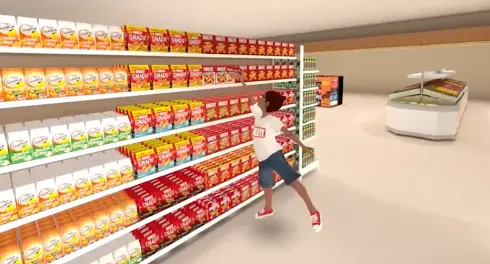
Virtual reality
Retail buyers experience the shopper’s journey from home to store, with category insights brought to life at each decision.
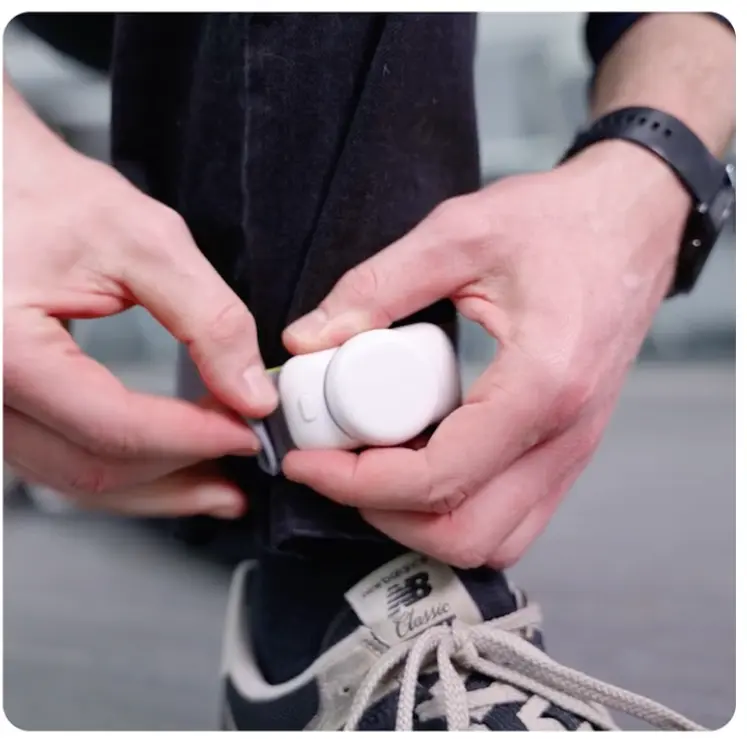
View case studyAnkle tracking detects unsafe foot placement as associates practice moving and loading cargo in a virtual aircraft hold.
View case studyWe start by working with your team. We want to understand your training goals, challenges, and desired results. Together, we’ll identify key learning objectives and determine how VR can help achieve them.
Our Instructional Designers and XR Developers help you at every step. We make sure learning happens in every interaction of your VR training solution. We also tailor it to fit your team’s unique needs.
We visit you to capture the important details that matter in learning a new process. Then our Developers bring it to life in VR. With rounds of testing, feedback, and fine-tuning, all from our home office in Ohio.
Our virtual reality training works well with your Learning Management Systems (LMS). This keeps your learning system running smoothly.
Once your program is up and running, Mercury XRS gathers real-time insights on learner performance. This helps you measure impact, find trends, and improve future training programs for the best ROI.
With VR, your training content can be scaled across multiple locations, giving you consistency across your workforce, regardless of location.
Save on travel costs, training materials, production downtime and equipment with immersive training experiences that you can tap into at any time.
VR allows for shorter, more focused training sessions with immediate feedback, speeding up the learning process.
Practice important and stressful situations that are too risky or hard to recreate at work. Confidence comes from experience.

PIT Trainer XR is easy to use and designed for today’s busy distribution centers. It teaches your team the basics of forklift operations. Place your order today!

From onboarding to advanced skills training, VR helps employees start strong in the warehouse or the office.

Train employees for emergenciesand handling hazardous materials. Use lifelike simulations to ensure safety without real-world risk.

Build hands-on skills for the factory floor. Safely prep employees for tools, tech, and tough environments.

Prepare staff with product knowledge, sales techniques, and customer service scenarios, driving performance and enhancing customer satisfaction.

From train engine maintenance to chemical transportation, teach your team how to properly handle high-stakes tasks.

At Roundtable Learning, we don’t just offer Virtual Learning Training solutions. We work with you to create a complete learning strategy that matches your business goals. Here’s what sets us apart:
Every VR training solution we create is designed for your goals, team, and workflows—just like we’ve done for over 50 Fortune 500 companies.
From headset logistics to remote rollouts, we help you launch at scale without the headache. No lock-in, just real support and the right partners to keep things moving
We are a learning company. Every scenario, every choice, every interaction is designed to drive real impact. Because effective training isn’t just immersive, it’s intentional.
You own your training content, giving you full control to use it however you need. We’re here to create impactful corporate training, not lock you into a contract.
VR Training uses virtual reality technology to immerse learners in realistic, interactive training scenarios that enhance engagement and retention. It’s a more effective alternative to traditional methods like classroom training or online courses.
Roundtable Learning works with your team to assess your training needs, design a VR training solution, and integrate it into your existing systems. We handle all aspects, from content creation to deployment.
Yes, you can tailor VR training to fit healthcare, manufacturing, retail, and corporate operations. We design experiences for the specific challenges of each sector.
For most enterprise deployments, we recommend standalone headsets from families like Pico or Quest for their balance of cost and performance. For higher-clarity MR or pass-through needs, newer devices worth considering include Pico’s Swan-class hardware or Xreal for certain use cases. The right choice depends on your environment, tracking needs, and MDM requirements.
Yes. WebGL or desktop versions of VR experiences give people non-headset access and help meet ADA compliance. This approach is often used for high-volume rollouts or when inclusive access matters most.
We recommend shorter modules, progressive exposure, haptic grounding like footpads, stationary or teleport locomotion, gradual difficulty increases, comfort settings, and instructor warmups.
A typical pilot team includes 4 to 8 people (a project manager, instructional designer, developer, and 3D artist) and runs 8 to 12 weeks. Deliverables include an alpha build, an instructor guide, and a pilot report with metrics.
Cost depends on environment complexity, the number of interactive procedures, whether you need bespoke peripherals like custom controllers or haptics, and the number of languages supported. Custom modules commonly range from $50,000 to $250,000 depending on scope.
In many cases, yes. 3D models and assets often carry over across VR, AR, and WebGL, which helps reduce cost when you expand into additional modalities.
We integrate via xAPI/SCORM, and a middleware layer like Mercury can translate VR events into LMS records and issue badges or credentials.