
VR for Aviation: Drill High-Stakes Procedures, On Demand
Prepare ground crews, technicians, and operations teams for rare, costly procedures with immersive VR and AR, built around your operation.
Rehearse the Moments You Cannot Stage
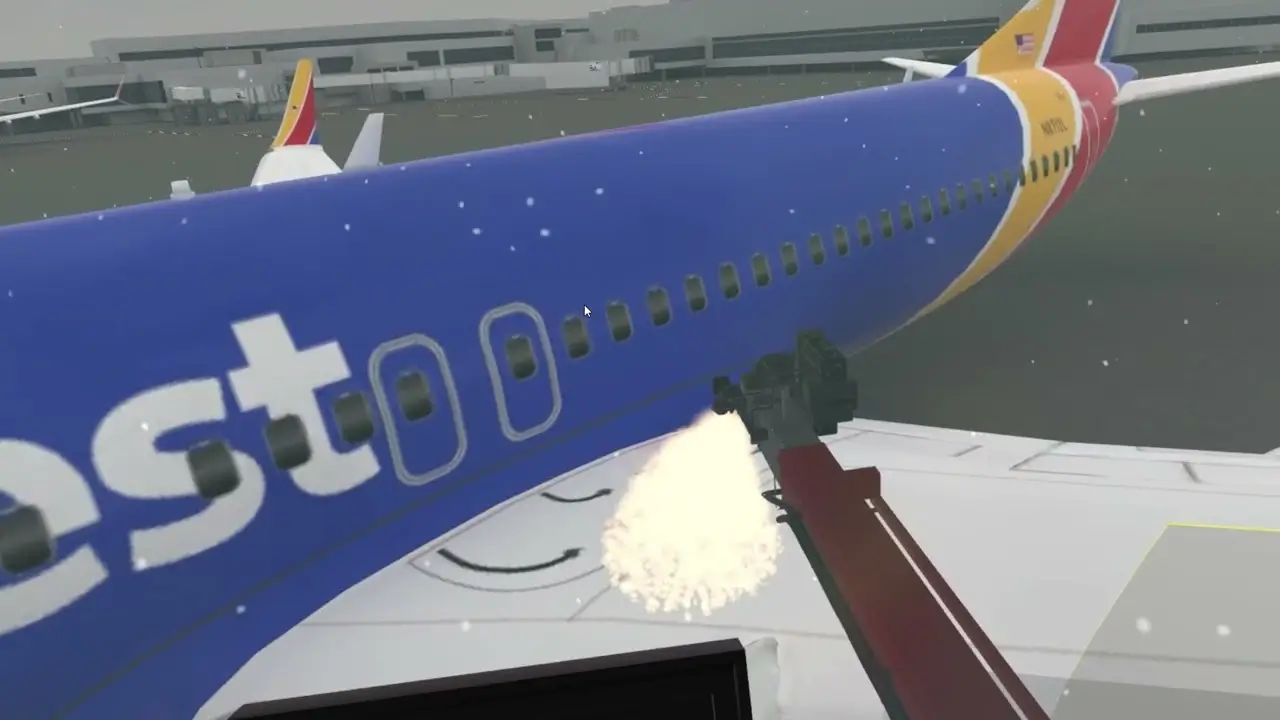
De-icing, cargo loading, and ramp operations are dense, time-pressured jobs where one wrong step carries safety and cost consequences, and physical simulation is cost-prohibitive and logistically complex. Roundtable Learning builds immersive simulations that let crews run these procedures, including rare emergencies, as often as they need. Teams build competence on the ramp, in the hangar, and across the cargo floor before they touch the real thing.
Trusted by Aviation Leaders:

Standardize Training Across Every Station.
Running a distributed operation? Let’s build one program your crews can run anywhere, on demand.

Trusted by Industry Leaders

Why Virtual Reality for Aviation?
Immersive training reaches the procedures that are too rare, risky, or costly to stage on real equipment. Here is why aviation teams are adopting it:
Drill Rare, High-Consequence Scenarios
An engine fire or a fuel spill is dangerous and expensive to stage. In VR, a crew can rehearse it dozens of times without grounding an aircraft or taking gear out of service.

Hold Proficiency Between Live Events
Recurrency is demanding, and simulator and instructor time is limited. A quick VR refresher is available wherever a technician is based, so skills do not fade between sessions.

Cut the Cognitive Load
Aircraft systems, maintenance, and ground operations involve dense, interdependent steps that a manual conveys poorly. Immersive practice builds the sequence into muscle memory before it counts.

Standardize a Distributed Workforce
Crews are spread across stations and time zones. One immersive program runs identically everywhere, and tracked completions double as compliance evidence for evolving FAA and EASA requirements.

Explore Aviation Use Cases
How We Build Your Aviation Solution
01
Needs Analysis
We pinpoint the procedures where a missed step costs the most.
02
On-site Capture
We model your aircraft, equipment, and ramp or hangar environment.
03
Development
We build true-to-procedure simulations for de-icing, cargo, ground ops, and more.
04
Deployment
We support headset rollout across stations.
05
Analytics
Mercury XRS tracks recurrency and proficiency across the workforce.
Common Applications for AR and VR in Aviation
Hand Signal Training
Practice ramp signaling and marshaling safely.
Pick, Pack & Ship
Train air-cargo handling for speed and accuracy.
De-Icing an Aircraft
Rehearse the full procedure without weather or aircraft constraints.
Cargo Loading & Unloading
Build accuracy and safe handling on a modeled cargo floor.
Engine Maintenance
Practice inspection and repair procedures without grounding an aircraft.
Lock Out Tag Out (LOTO)
Master energy-isolation safety for maintenance tasks.
Emergency Response
Drill high-consequence emergencies that are unsafe to stage live.


Why Roundtable Learning?
Custom to Your Aircraft
We model your specific equipment and procedures, not generic content.
Compliance-Ready
Tracked, standardized training that supports FAA and EASA documentation.
Scalable Across Stations
Deploy the same program to every facility and time zone.
Data-Driven
Track recurrency and proficiency with hard data.
FAQ's
Can VR replace required flight or certification hours?
No. VR and AR supplement conventional training and do not replace certification, type-rating, or hands-on sign-off. They add repetition, faster onboarding, and safe rehearsal of rare scenarios.
Which teams is this for?
Our aviation work focuses on ground crews, ramp and cargo teams, and maintenance technicians, with programs built around the operations that keep aircraft moving.
How does AR help on the job?
AR overlays instructions, schematics, and checklists in a technician’s field of view during live maintenance, reducing errors and the need to flip through manuals.
Can you standardize training across multiple stations?
Yes. One immersive program runs identically at every station, and Mercury XRS tracks completion and proficiency across the whole workforce.