Mixed Reality (MR) Training Solutions: Where Physical Meets Digital for Maximum Impact
Transform Your Workforce with Corporate Immersive MR Training – Hands-On Learning with Digital Assets and Real-World Context
What Is Mixed Reality Training?
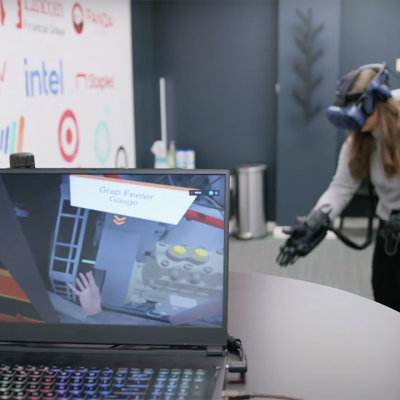
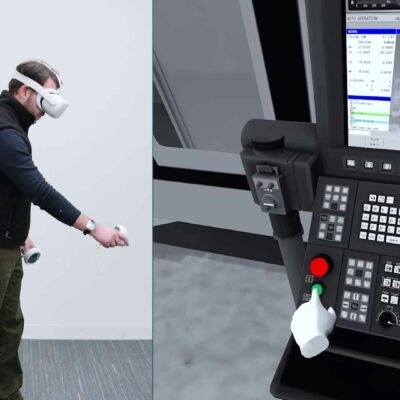
Mixed Reality (MR) training seamlessly blends physical and digital worlds for the ultimate immersive learning experience. Unlike VR’s fully digital environments or AR’s simple overlays, mixed reality lets learners manipulate holograms with their hands, practice on virtual equipment, and receive contextual guidance, all in their actual workplace.
Your team learns by doing. Digital mentors guide complex procedures. Interactive 3D models appear alongside real machinery. Workflows adapt to each learner’s pace. It’s training that feels natural because it bridges the gap between simulation and reality.


What Our Clients Say About Our MR Training

Why Mixed Reality Delivers the Best Training Results
Traditional training struggles with the gap between classroom learning and real-world application. Mixed reality training solutions eliminate this disconnect by placing learning directly in context. Your employees don’t just read about procedures—they perform them with guided precision.
Our corporate immersive training approach combines the safety of simulation with the authenticity of real-world environments. Learners practice on expensive equipment without risk, receive instant feedback on their technique, and build muscle memory through repetitive hands-on practice. The result? Faster competency development, higher confidence levels, and dramatically reduced errors when transitioning to independent work.
53%
$2M
Ready to Experience Mixed Reality Training?
Industries Where MR Training Excels
If your work involves expensive equipment, high-risk procedures, or complex hands-on skills, mixed reality training delivers promising results. Practice until perfect without burning through materials, risking safety incidents, or shutting down operations.

Manufacturing & Industrial

Healthcare & Medical

Field Service & Maintenance

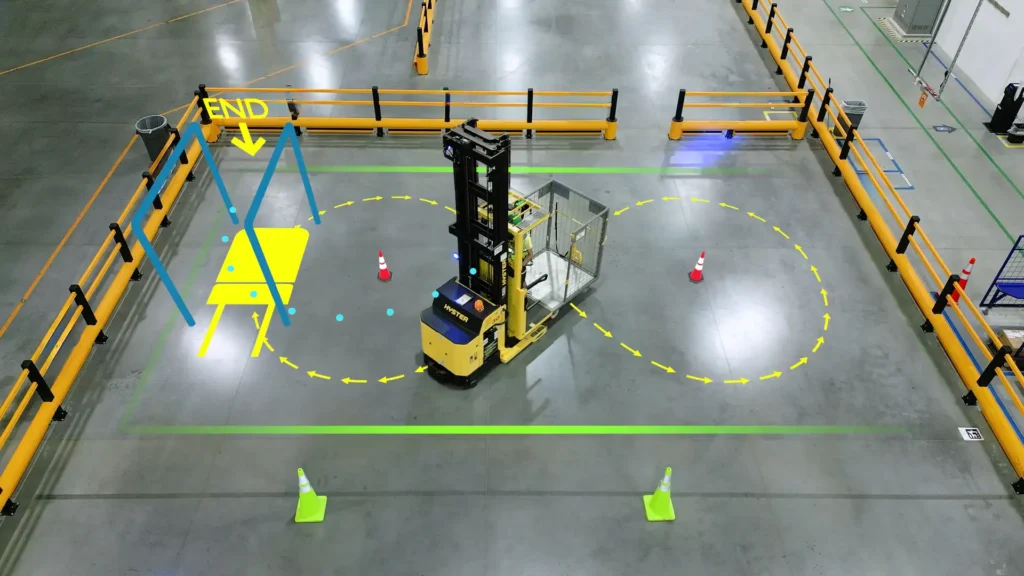
Logistics & Warehousing

Energy & Utilities

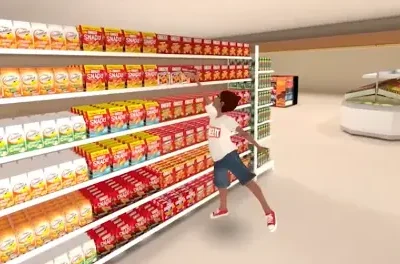
Retail & Hospitality
Why Choose Our MR Training Solutions?
Not all mixed reality training is created equal. Generic solutions lack the depth and customization needed for enterprise-level results. We build mixed reality training solutions specifically for your workflows, equipment, and performance goals.
Our team combines instructional design expertise with cutting-edge MR development capabilities. We don’t just deploy technology, we craft learning experiences that drive measurable behavior change. From initial strategy through ongoing support, we ensure your immersive learning for enterprise investment delivers sustained ROI.
Custom-Built Solutions

Proven Learning Science

Complete Setup Support

How Much Does Mixed Reality Training Costs?
| Investment range | Training program | What’s included |
|---|---|---|
| $50k–$100k USD / project |
Your Entry Point
|
|
| $100k–$200k USD / project |
Most popular
The Standard
|
|
| $200k+ USD / project |
Highest Level
|
|
Or you can purchase bulk development hours
| Development hours | Package price | Hourly rate |
|---|---|---|
| 250 hours | $75,000 | $300 / hr |
| 500 hours | $137,500 | $275 / hr |
| 1,000 hours | $265,000 | $265 / hr |
Training Success Stories


FAQ's
What makes Mixed Reality different from VR or AR training?
What equipment is needed for Mixed Reality training?
How long does it take to develop custom Mixed Reality training?
What kind of ROI can I expect from Mixed Reality training?
Can Mixed Reality integrate with our existing training programs?
What hardware options exist for MR, and how do they compare (pass-through vs. optical)?
Pass-through MR headsets offer higher fidelity at a lower short-term cost, while optical see-through AR glasses provide clearer overlays but vary more in maturity. The right pick depends on your use case and how established the hardware is.
When is MR preferable to VR or AR for training?
MR makes the most sense when learners need to see real equipment alongside digital overlays, like guided maintenance on live machinery.
Can MR support hands-on controls and tracked peripherals?
Yes, MR supports hand tracking and tracked peripherals, though integration depends on the headset’s SDK and peripheral compatibility (USB/Bluetooth).
How mature is MR for enterprise use (battery, reliability, comfort)?
Enterprise MR is improving steadily, but it’s worth evaluating each device’s specs closely, including battery life, stability, and SDK openness, before committing.
What unique analytics does MR provide?
MR can capture passthrough overlay usage, hand tracking data, and interaction logs.
What pilot use cases do you recommend for MR in our environment?
Good starting points include performance-support overlays for maintenance, safety checklists on live machines, or a blended MR/VR approach for hybrid training.