Skip to main content Scroll Top

VR for Education: Engage Students and Open Career Paths

Bring welding, manufacturing, and the skilled trades to life with immersive VR and AR that lifts engagement and widens access.

Learning Students Actually Remember

Slides, LMS modules, and recorded lectures struggle to hold a digital-native student’s attention and offer little insight into actual careers. Roundtable Learning builds immersive experiences that put students inside the work, from a welding booth to a manufacturing line, on devices schools already have. Engagement rises, access widens, and you get data that connects the experience to outcomes.

Spark Interest in the Trades.

Want to show students a trade before they choose a path? Let’s build an experience for your classroom or district.

Trusted by Industry Leaders

"Lincoln Electric was looking to present a welding product to the primary/secondary education market to excite young learners. We have training tools, but not an exposure tool. The Voyage Arc caters to that market but also can be used as a recruitment tool for all types of organizations."
Denise Sirochman
Product Manager at Lincoln Electric

Why Virtual Reality for Education?

Immersive learning replaces watching with doing, and the difference shows up in attention and choices. Here is why educators are adopting it:

Raise Engagement and Retention

Passive delivery loses digital-native students. Active, immersive experiences hold focus and help students remember more than a reading or a lecture.

Show Students the Trades

Without hands-on exposure, students default to a four-year path. A student who has worked in VR reads the job differently than one who saw a career-day flyer.

Level Access Across a District

Not every school can run labs, career fairs, or site visits. A virtual experience reaches every student at once, with no buses to book and no cost that increases with the group size.

Prove the Impact

Administrators need to connect programs to results, while keeping a district rollout authentic rather than another mandatory module. Mercury XRS tracks engagement and performance, giving curriculum directors evidence to show a board.

How We Build Your Education Solution

01

Objectives

We map the experience to your learning objectives and the outcomes you need to show.

02

Design

We build authentic environments that feel real, not scripted.

03

Development

We create the lessons, scenarios, and gamified elements students engage with.

04

Rollout

We support deployment from a single classroom to a district.

05

Analytics

Mercury XRS tracks engagement and performance for reporting.

Common Applications for AR and VR in Education

Welding Fundamentals

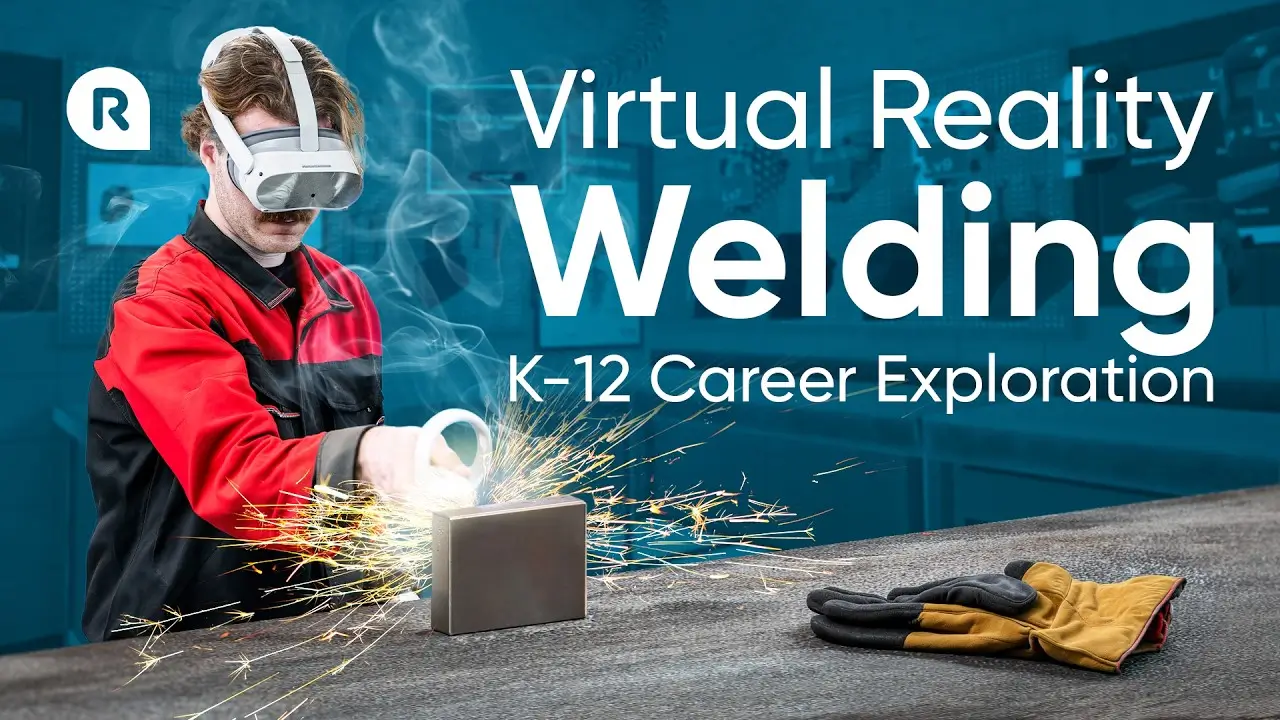
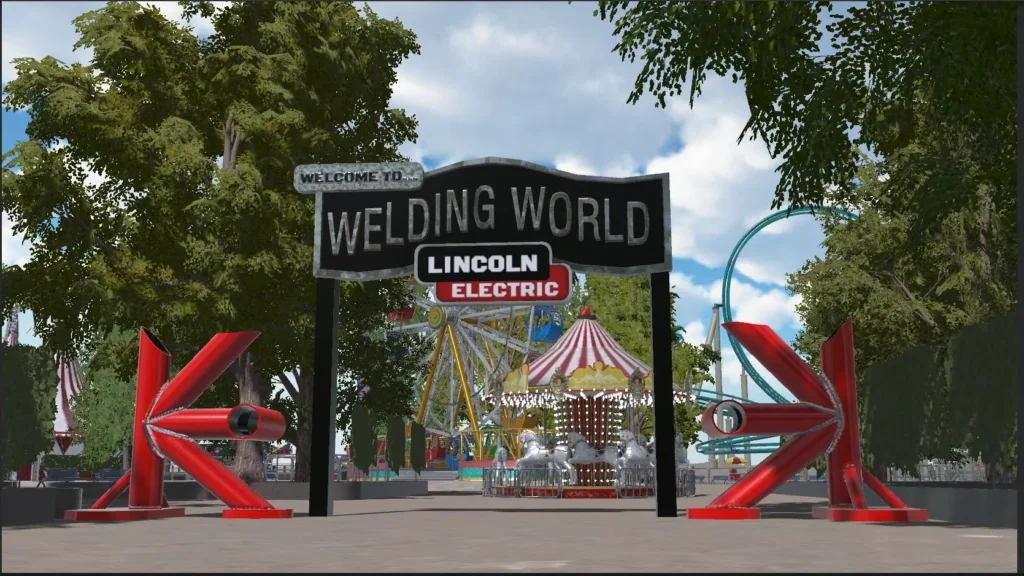
Introduce K-12 students to welding through Voyage Arc before they choose a path.

Manufacturing and Machining

Provide students with hands-on exposure to CNC and machine operations.

Healthcare

Have students practice clinical skills, such as hand hygiene, to spark interest in medical careers.

Virtual Reality for Education

Why Roundtable Learning?

Curriculum-Aligned

Every experience maps to your learning objectives.

Authentic Content

We build environments that feel real.

Equitable Access

One program reaches every student, regardless of campus or budget.

Data-Driven

Show engagement and outcomes, not just completion.

FAQ's

Is VR practical for a classroom or district budget?

Yes. A virtual experience reaches a whole class at once and eliminates the costs of buses, equipment, and per-student site visits, often making it more affordable than physical alternatives.

Programs can be designed across grade levels. Voyage Arc, for example, introduces K-12 students to welding fundamentals.

AR experiences run on standard tablets and phones, and VR uses standalone headsets that are straightforward to manage in a classroom.

Mercury XRS tracks how students engage and perform, giving administrators data to connect the program to results.