AT A GLANCE:
1:1 Locomotive Replica | 8 VR Maintenance Modules | 48+ Mechanics Evaluated per Day | $500+ Travel Saved per Trainee | 2024 Brandon Hall Technology Award
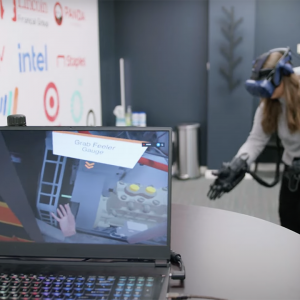
BNSF Railway needed a safer way to train mechanics on its GE GEVO Tier 4 locomotives without pulling a 432,000-pound engine out of service. Roundtable Learning built VR locomotive maintenance training inside a 1:1 replica of the engine, with a haptic glove pilot, so mechanics can practice high-risk repairs dozens of times before touching the real thing.
The Challenge: High-Risk Repairs on a 432,000-Pound Engine
Tier 4 maintenance is precise, physical, and unforgiving. Mechanics replace fuel injectors and pumps on systems under thousands of pounds of pressure, using tools up to three feet long.
Hands-on practice meant tying up a real locomotive, flying trainees to the shop, and hoping every instructor taught it the same way. For a railroad that had just posted the lowest injury frequency rate in its 175-year history, learning on live equipment wasn’t the standard it wanted.
The Stakes:
- Pressurized systems, where one skipped lockout/tagout step can cause a serious injury
- A revenue locomotive pulled from service every time someone needed hands-on practice
- Training that varied by instructor and location
- No objective way to see where each mechanic was struggling
"BNSF took the initiative to think outside the box by providing their employees with a new training strategy to further practice identifying and mitigating exposures to risk. Not only has this created a new way of learning/training at BNSF, but these technologies can also help create safer behaviors within the rail industry as a whole."
- Jeff Suchan, Roundtable Learning
The Solution: A 1:1 Tier 4 Engine Built From the Shop Floor Up
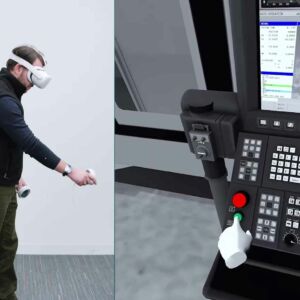
Roundtable Learning built eight VR modules inside an exact replica of BNSF’s Tier 4 locomotive. The team measured real components onsite, down to the size of the bolts, so every tool and part in VR matches what mechanics use in the shop.
What Mechanics Practice
- Safety first. Three safety briefings cover PPE, pressurized systems, and lockout/tagout, which is built into every task.
- Fuel injector removal and installation, including the exact bolt-tightening sequence.
- Fuel pump removal and installation, including gear backlash adjustment.
- Tensioning and detensioning with specialty tooling, from spotting damaged hoses to pressurizing to the right PSI.
- Diagnostics. Learners place digital multimeter leads, test components like IGBTs and resistor modules, and decide when a sensor needs replacing.
Why Haptic Gloves
Standard VR shows a learner what to do, but it can’t make them feel it. In a pilot with HaptX Gloves G1, mechanics feel the weight of tools and the resistance of parts during fine-motor work like gear backlash adjustment, the kind of task where “right” depends on touch.
Built for Every Learner
Human-voiced narration, text prompts, and a virtual calculator guide each step. A desktop version covers the few employees who don’t adapt to VR.
The dream is that we have a large library spanning across various departments and crafts.
The Results: Unlimited Practice Without Pulling a Locomotive
The training is now running in the field. Students in BNSF’s Tier 4 instructor-led course complete the VR modules first, and the program earned a 2024 Brandon Hall Group Technology Award.
What Changed for the Client
Mechanics get reps before risk. Before, the first time a mechanic torqued an injector or pressurized a tensioning tool was on a real engine. Now they can repeat each procedure until it’s familiar, then do it for real. That means fewer errors on equipment where mistakes are dangerous and expensive.
Locomotives stay on the rails. Practice no longer depends on access to a physical engine. That keeps revenue equipment in service, cuts wear on costly parts, and reduces trainee travel to the shop.
Every mechanic learns the same way. One standardized method replaces lessons that varied by instructor and location, which matters for a railroad with nearly 40,000 employees across its network.
Trainers see skills, not just completions. Mercury XRS tracks each step, including tool choice, torque sequence, multimeter placement, and time per task, with playback that flags missed steps. Instructors know exactly who needs more practice, and on what.

Best Advance in Unique Learning Technology
See how Roundtable Learning builds custom VR maintenance training that lets your technicians practice high-risk procedures as many times as it takes.

Frequently Asked Questions
How is VR used for locomotive maintenance training?
VR locomotive maintenance training puts mechanics inside a full-scale virtual replica of a locomotive engine, where they practice procedures like fuel injector and fuel pump replacement, component tensioning, and diagnostics step by step. Learners can repeat a task as many times as they need before working on a real locomotive. That keeps expensive equipment in service and keeps trainees away from pressurized systems until they’re ready.
What do haptic gloves add to VR training?
Standard VR lets learners see and move objects, but not feel them. Haptic gloves, like HaptX Gloves G1, push back against the hand to simulate the weight, texture, and resistance of tools and parts. That matters for fine-motor tasks like hand-tightening fasteners or adjusting gear backlash, where the right result depends on what the work feels like.
Can VR teach lockout/tagout procedures?
Yes. VR can make lockout/tagout (LOTO) a required step that learners must complete before any maintenance task begins, and it can show what happens when the step is skipped, without anyone getting hurt. Because the procedure is practiced inside a realistic task rather than a slide deck, learners build the habit in the same context they’ll use it on the job.
How do you build a VR replica of heavy equipment?
Accurate VR replicas start onsite. For BNSF, the team measured and photographed real locomotive components from multiple angles, sometimes disassembling parts of a non-production locomotive, then modeled the engine 1:1 down to the size of the bolts. Every virtual tool and part matches what mechanics use in the shop.
How do you measure skills in VR maintenance training?
VR records every action a learner takes, so performance can be measured step by step instead of with a pass/fail checklist. Roundtable Learning’s Mercury XRS tracks things like time per step, tool selection, bolt torque sequence, and multimeter lead placement, with playback that flags errors and missed steps. Trainers see exactly where each learner needs more practice.
Explore more